

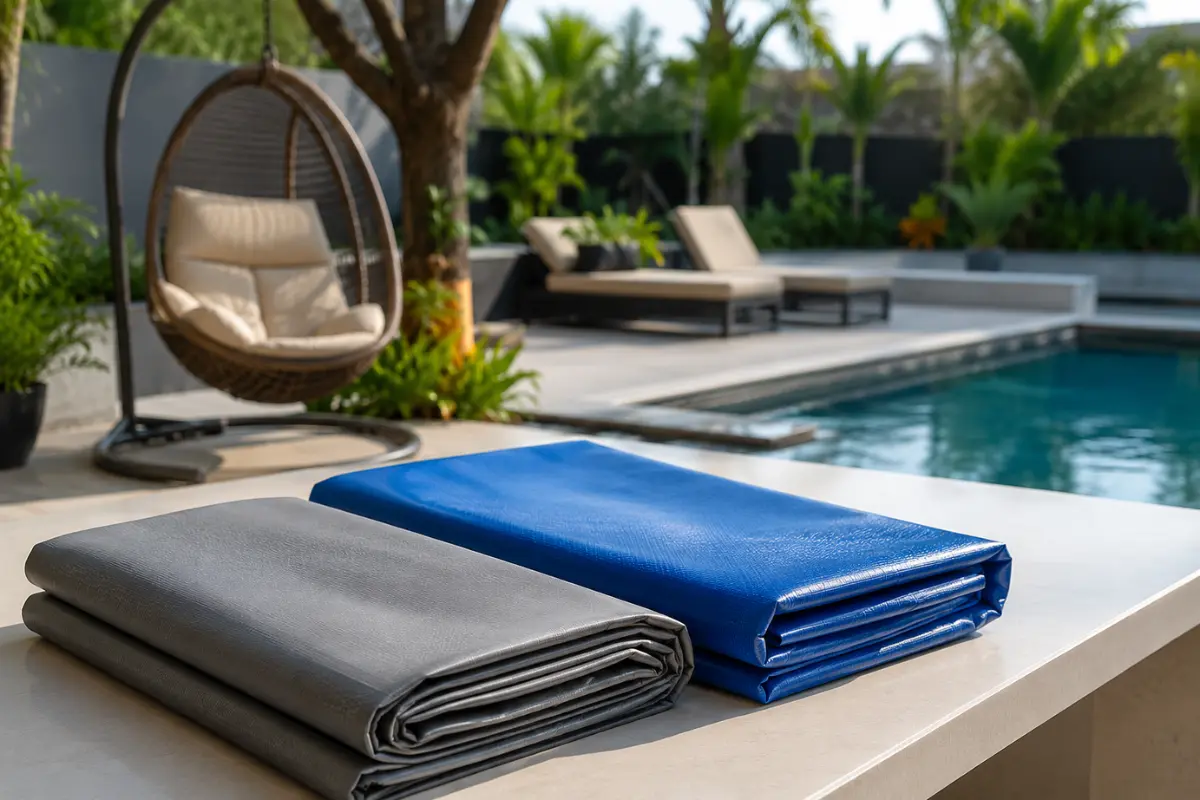
Outdoor structures such as patios, restaurants, balconies, commercial storefronts, parking areas, and walkways need reliable shade and weather protection. Choosing the right awning fabric plays a major role in how well these structures perform over time. A fabric that looks good but wears out quickly can lead to frequent replacements and higher maintenance costs.
When comparing PVC Awning Fabric vs Acrylic Fabric, many buyers focus only on appearance or price. However, factors like weather resistance, waterproof performance, UV protection, durability, and maintenance are equally important. Each material has its strengths, and the right choice depends on where and how the awning will be used.
This guide explains the differences between PVC and acrylic awning materials in simple terms. You’ll learn their features, advantages, applications, and limitations so you can confidently choose the best awning fabric for your outdoor project.
What Is PVC Awning Fabric?
PVC Awning Fabric is a high-performance technical textile made by coating a strong polyester base fabric with Polyvinyl Chloride (PVC). This coating creates a smooth, durable surface that offers excellent protection against rain, sunlight, dust, and everyday outdoor conditions.
Because of its strength and waterproof properties, PVC fabric is widely used for both residential and commercial shade structures. It performs well in areas exposed to heavy rainfall, high humidity, or frequent cleaning.
Key Features of PVC Awning Fabric
- Completely waterproof
- High tensile strength
- Excellent UV resistance
- Easy to clean and maintain
- Resistant to mildew and fungal growth
- Long service life under outdoor conditions
- Available in multiple colours and finishes
Its combination of durability and weather protection makes it one of the most popular choices for permanent outdoor installations.
What Is Acrylic Awning Fabric?
Acrylic Awning Fabric is manufactured using solution-dyed acrylic fibres. Instead of applying colour to the surface after production, the colour is added during the fibre manufacturing process. This helps the fabric retain its appearance for many years.
Unlike PVC-coated materials, acrylic fabric is woven rather than coated. It has a softer texture and is often selected for projects where aesthetics are just as important as functionality.
Key Features of Acrylic Awning Fabric
- Attractive fabric-like appearance
- Good UV protection
- Excellent colour retention
- Breathable material
- Lightweight construction
- Available in many colours and patterns
Although acrylic performs well in sunlight, it is generally water-resistant rather than completely waterproof. During prolonged or heavy rainfall, moisture may eventually seep through the fabric.
PVC Awning Fabric vs Acrylic Fabric: Understanding the Main Differences
Both materials are widely used as outdoor awning fabric, but they are designed for different applications.
| Feature | PVC Awning Fabric | Acrylic Awning Fabric |
| Waterproof | Yes | Water-resistant |
| UV Protection | Excellent | Excellent |
| Appearance | Smooth finish | Fabric-like texture |
| Durability | Very High | High |
| Maintenance | Easy | Moderate |
| Weather Resistance | Excellent | Very Good |
| Cleaning | Simple with water | Requires gentle cleaning |
| Best For | Commercial & industrial use | Residential & decorative use |
Which Fabric Performs Better in Different Weather Conditions?
Outdoor structures remain exposed to changing weather throughout the year. Rain, heat, dust, wind, and pollution all affect how an awning performs over time.
Heavy Rain
If your location experiences frequent rainfall, a waterproof awning fabric offers better long-term protection.
PVC-coated fabrics prevent water from penetrating the surface, keeping outdoor spaces dry even during heavy showers.
Acrylic fabrics repel light rain but may absorb moisture after prolonged exposure.
Winner: PVC Awning Fabric
Strong Sunlight
Both materials provide good UV protection.
However, acrylic fabrics are known for maintaining their original colour for many years because the fibres are solution dyed.
PVC fabrics also resist UV damage, especially when manufactured using high-quality coatings designed for outdoor use.
Winner: Tie
Humid Conditions
Moisture encourages mould and mildew growth.
PVC-coated fabrics resist moisture absorption, making them suitable for humid climates and coastal areas.
Acrylic fabrics dry quickly but may require occasional cleaning to prevent mildew buildup.
Winner: PVC Awning Fabric
Wind Resistance
Fabric strength is only one part of wind performance. The awning frame, installation quality, and tensioning system are equally important.
PVC-coated polyester generally has higher tensile strength, making it suitable for larger commercial awnings.
Applications of PVC and Acrylic Awning Fabrics
Both PVC and acrylic fabrics are widely used for outdoor structures, but each serves different needs. Understanding where they perform best can help you choose the right material.
Common Applications of PVC Awning Fabric
PVC-coated fabrics are designed for areas that require high durability and complete weather protection. They are commonly used for:
- Commercial storefronts
- Restaurants and cafés
- Parking sheds
- Walkways and entrance canopies
- Warehouses and industrial facilities
- Petrol stations
- Schools and hospitals
- Event tents and exhibition structures
Because PVC is waterproof and easy to maintain, it is often the preferred commercial awning fabric for businesses that need reliable outdoor protection throughout the year.
Common Applications of Acrylic Awning Fabric
Acrylic fabrics are often selected for projects where appearance is as important as functionality. They are suitable for:
- Residential patios
- Balconies
- Garden seating areas
- Hotels and resorts
- Outdoor cafés
- Poolside shade structures
- Luxury villas
Their soft texture and attractive finish make them a popular option for decorative outdoor spaces.
Which Awning Fabric Should You Choose?
There is no single fabric that is best for every project. The right choice depends on your location, weather conditions, and intended use.
Choose PVC Awning Fabric if you need:
- Complete waterproof protection
- High durability
- Low maintenance
- Better performance in heavy rain
- A fabric suitable for commercial and industrial applications
Choose Acrylic Awning Fabric if you need:
- A premium fabric-like appearance
- Excellent colour retention
- Better breathability
- A stylish solution for residential or hospitality projects
If your project is exposed to frequent rainfall or demanding outdoor conditions, PVC is generally the more practical and long-lasting option. If aesthetics are your highest priority and the awning will be installed in a relatively dry environment, acrylic can be an excellent choice.
Why Choose Centfab?
Choosing the right fabric is important, but choosing the right manufacturer is equally important. High-quality raw materials, consistent manufacturing, and strict quality standards all contribute to the long-term performance of an awning fabric.
At Centfab, we combine years of experience with advanced manufacturing capabilities to deliver technical textile solutions that perform in real outdoor conditions.
Here’s why customers trust Centfab:
- Experienced Manufacturer: Decades of expertise in manufacturing technical textile products.
- Premium Quality Materials: High-performance fabrics designed for strength, durability, and long service life.
- Modern Manufacturing Facility: Advanced production technology ensures consistent product quality.
- Strict Quality Control: Every batch undergoes quality checks before dispatch.
- Customized Solutions: Fabrics are available in different colours, finishes, widths, and specifications to suit project requirements.
- Reliable Supply: Efficient production and delivery for projects across India and international markets.
- Technical Support: Our team helps customers select the right fabric based on application and environmental conditions.
- Trusted Across Industries: Centfab’s products are used in commercial, industrial, agricultural, and infrastructure projects.
Whether you’re planning a residential awning or a large commercial installation, Centfab offers dependable fabric solutions designed for long-term outdoor performance.
Conclusion
Choosing between PVC and acrylic awning fabric comes down to your project requirements rather than simply selecting the more expensive option.
If you need a waterproof awning fabric that offers excellent durability, weather resistance, and easy maintenance, PVC Awning Fabric is the better choice. It performs exceptionally well in commercial buildings, restaurants, industrial facilities, and locations exposed to heavy rain or harsh weather.
If your priority is appearance, colour retention, and a softer fabric finish, Acrylic Awning Fabric is an excellent option for homes, hotels, cafés, and other decorative outdoor spaces.
By understanding the strengths of each material, you can choose an awning fabric that delivers the right balance of performance, appearance, and long-term value.
If you’re looking for high-quality outdoor fabric solutions, Centfab offers a wide range of technical textiles manufactured to meet demanding outdoor applications. Our team can help you select the right fabric for your project, ensuring reliable performance and lasting results.