
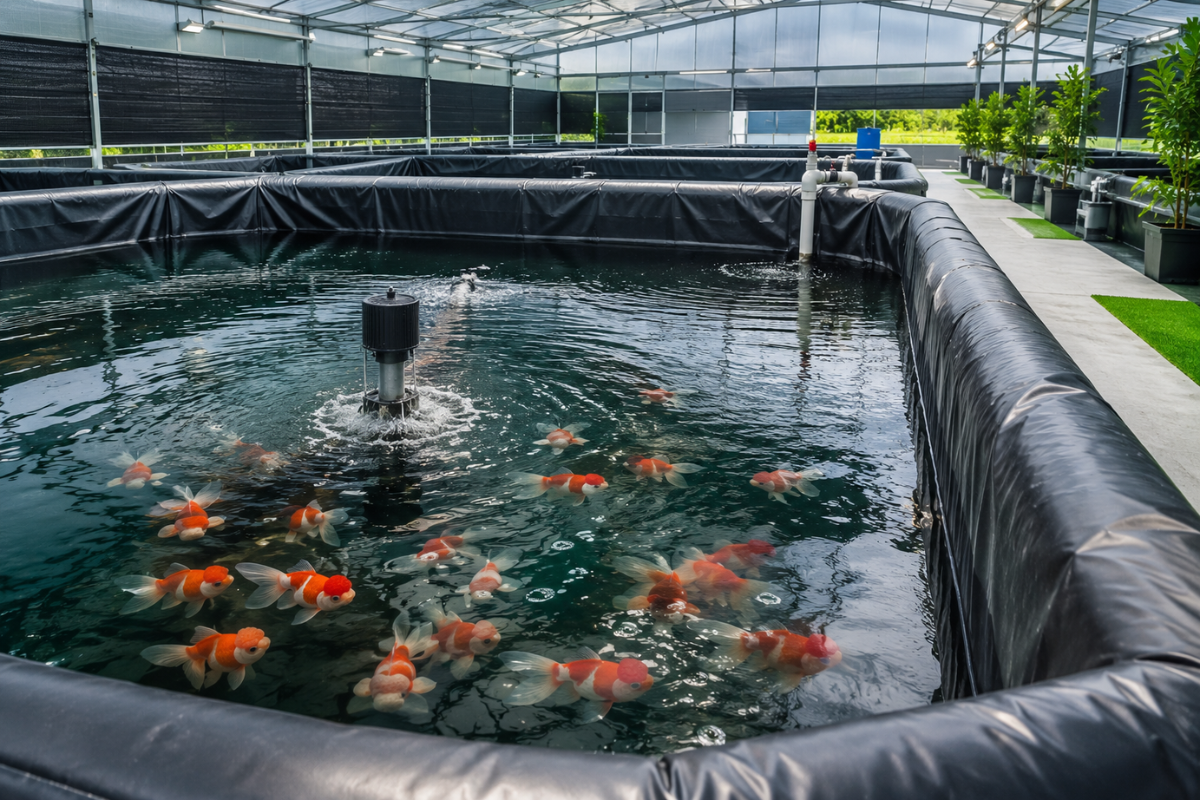
Commercial aquaculture needs reliable infrastructure for fish growth, water management, and daily farm operations. Commercial Fish Tanks provide a controlled space for breeding, nursery operations, fish rearing, and grow-out systems. They can also make routine monitoring easier than open pond systems.
However, choosing a tank is not only about its size. The material, construction, durability, capacity, and intended use also matter. Therefore, businesses should review these factors before investing in Commercial Fish Farming Tanks.
The right tank can help farms use space efficiently and manage fish more easily. It can also support better water management and dependable day-to-day operations.
What Are Commercial Fish Tanks?
Commercial Fish Tanks are purpose-built tanks for professional fish farming and aquaculture. They give farmers a defined space to manage water, feeding, aeration, stocking, and fish health.
Moreover, farms can use these tanks at different stages of fish production. Depending on the operation, they can work as breeding units, nursery tanks, rearing systems, grow-out tanks, or temporary holding units.
Common types include:
- Fish breeding tanks
- Fish nursery tanks
- Fish rearing tanks
- Grow-out tanks
- Aquaculture production tanks
- Temporary fish holding tanks
The right design depends on the fish species, production volume, available space, and operating conditions.
Why Are Commercial Fish Tanks Important?
Modern aquaculture focuses on efficient use of land, water, and infrastructure. Commercial Aquaculture Tanks can help farms create a more controlled production environment.
Unlike an open pond, a tank provides a defined area for managing fish and water. As a result, farmers can monitor feeding, fish behaviour, water quality, and other conditions more easily.
Key Benefits of Commercial Fish Farming Tanks
Efficient Use of Space
One major benefit of tank-based aquaculture is better space utilization. Tanks can fit into areas where building large ponds may not be practical.
Therefore, they can suit commercial facilities with limited land. They can also help farms expand production without developing large pond areas.
Better Control of the Farming Environment
A Fish Tank for Aquaculture creates a defined environment for fish. Farmers can monitor water quality, temperature, oxygen levels, and feeding more systematically.
As a result, operators can respond faster when conditions change. Better control can also make daily farm activities more organized.
Easier Fish Monitoring
Open ponds can make fish observation difficult. In contrast, tanks usually provide easier access and better visibility.
Farmers can monitor:
- Fish activity
- Feeding behaviour
- Growth
- Stocking conditions
- General fish health
- Water conditions
This information can help farmers manage their operations more effectively.
Flexible Applications
Commercial tanks can serve different purposes during the production cycle. For example, a farm may use separate tanks for breeding, nursery production, quarantine, or fish rearing.
Therefore, farmers can adapt the tank setup to their specific operating needs.
Easier Maintenance
Tank systems can also simplify certain maintenance activities. Depending on the design, cleaning, inspection, water management, and routine servicing may be easier than managing a large open pond.
Applications of Commercial Aquaculture Tanks
Commercial Fish Farming Tanks support several stages of aquaculture production. Each application has different requirements, so farmers should select the tank based on its intended use.
Fish Breeding
Breeding tanks provide a controlled space for spawning and early fish production. They can help farmers manage breeding conditions and observe fish more closely.
Nursery Operations
Young fish need careful attention during their early growth stages. Fish Nursery Tanks provide a dedicated space where farmers can monitor feeding, stocking, and water quality.
Fish Rearing
Fish Rearing Tanks help farmers raise fish through different growth stages. They allow operators to manage feeding, aeration, water circulation, and stocking in a more systematic way.
Grow-Out Systems
Large tanks can support grow-out operations where farmers raise fish until they reach the required market size. However, the required capacity depends on the species, stocking density, and overall farm design.
Quarantine and Holding
Some farms need separate tanks for new or temporary fish stock. Dedicated holding or quarantine units can help operators manage these fish without disturbing the main production system.
Important Features of a Commercial Fish Tank
The right Fish Tank Material can directly affect durability and performance. Commercial tanks need to handle continuous water contact, regular cleaning, handling, and daily aquaculture activities.
Durability
A commercial tank should handle repeated use without losing its structural strength. Therefore, durable construction can reduce replacement needs and support reliable operation.
Waterproof Construction
Water containment is essential for every fish farming tank. The tank should retain water reliably and minimize the risk of unnecessary leakage.
Suitable Flexibility
Some applications benefit from flexible tanks because they are easier to handle, install, and relocate. Flexible Fish Tanks can be useful when farm layouts may change over time.
Smooth Internal Surface
A suitable internal surface can make cleaning and routine maintenance easier. It can also reduce areas where unwanted material may collect.
Application-Specific Design
There is no single tank size or design that suits every aquaculture operation. Instead, the tank should match the fish species, production stage, stocking needs, available space, and water management system.
How to Choose the Right Commercial Fish Tank
Choosing Commercial Fish Tanks requires more than comparing prices or dimensions. First, consider how the tank will support your overall farming operation.
Before buying, check:
- Intended fish species
- Number of fish
- Growth stage
- Required water volume
- Available installation space
- Aeration and filtration system
- Expected operating conditions
- Cleaning requirements
- Material quality
- Expected service life
Tank Size and Capacity
Tank capacity is one of the most important factors in commercial aquaculture. The required volume depends on the fish species, stocking density, growth stage, and management system.
Large Fish Tanks can support higher production volumes. However, larger tanks also require careful planning for water management, aeration, cleaning, and handling.
Before choosing the capacity, consider:
- Expected stocking quantity
- Average fish size
- Target production volume
- Available water supply
- Aeration capacity
- Filtration requirements
- Available installation area
Do not select a tank based only on its maximum capacity. Instead, consider the usable capacity along with your stocking and water-management practices.
Choosing the Right Fish Tank Material
Material selection affects the tank’s durability and performance. Therefore, choose a material that can handle continuous water exposure and regular aquaculture operations.
PVC Fish Tanks can be a practical choice when a farm needs a flexible, waterproof, and durable containment system.
A suitable Fish Tank Material should provide:
- Reliable water containment
- Good mechanical strength
- Flexibility where required
- Resistance to regular handling
- Easy cleaning
- Consistent performance
- Suitability for the intended application
The right material can also reduce replacement and maintenance requirements during the tank’s service life.
Installation and Site Preparation
Even a high-quality tank needs proper installation. First, prepare a stable, clean, and level surface. Also, remove sharp objects that could damage the tank.
Before installation:
- Clear stones, roots, and sharp debris.
- Prepare a stable and level surface.
- Check the available space around the tank.
- Plan water inlet and outlet connections.
- Position aeration and filtration equipment correctly.
- Inspect the tank before filling.
Proper preparation can reduce installation problems and help protect the tank during use.
Maintenance of Commercial Fish Tanks
Regular maintenance helps protect both the tank and the fish. However, the maintenance schedule should match the tank design, stocking density, water system, and type of aquaculture operation.
Regular checks should cover:
- Tank surface condition
- Water quality
- Aeration performance
- Inlet and outlet connections
- Seams and joints
- Signs of leakage
- Accumulated waste
- Fish behaviour
In addition, use cleaning methods that suit the tank material. Avoid tools or practices that may scratch, puncture, or damage the surface.
Common Buying Mistakes to Avoid
Choosing Only on Price
The cheapest tank may not offer the durability required for commercial use. Therefore, compare total operating value instead of looking only at the initial price.
Ignoring Application Requirements
A tank designed for one production stage may not suit another. Always consider the fish species, stocking level, and farming method before buying.
Overlooking Material Quality
Material quality affects waterproofing, durability, and service life. Therefore, check the material specification and manufacturing quality before placing an order.
Selecting the Wrong Size
An undersized tank can limit operations. On the other hand, an unnecessarily large tank can increase water, aeration, and maintenance requirements.
Ignoring Technical Support
Commercial aquaculture is a long-term operation. Therefore, choose a manufacturer that can provide product guidance and reliable technical support when needed.
Why Choose Centennial Fabrics Limited?
Centennial Fabrics Limited manufactures technical textile solutions for aquaculture, agriculture, water storage, and industrial applications.
Its product range includes Fish Farming Tanks and Flexible Water Storage Tanks, along with PVC Coated Fabrics, Pond Liners, Blown Films, and BOPET Films.
The manufacturing approach focuses on:
- Consistent material quality
- Controlled production processes
- Product durability
- Quality inspection and testing
- Application-specific solutions
- Reliable technical support
For commercial aquaculture projects, the tank forms an important part of the production setup. Therefore, working with an experienced manufacturer can help businesses select a solution that fits their operational needs.
Conclusion
Commercial Fish Tanks provide a practical solution for modern aquaculture. They can support fish breeding, nursery operations, rearing, grow-out systems, and temporary holding.
However, selecting the right tank requires careful attention to capacity, material, durability, installation, maintenance, and intended use. A well-matched tank can provide reliable water containment and support smoother daily farm management.
Therefore, focus on performance and suitability rather than price alone. The right tank should match the needs of the fish, the farm, and the production system.